Most of the risk in hiring AI consultants comes from a loose agreement. Two people can shake hands on “automate our intake” and picture completely different results. The fix is to be specific before anyone starts.
This post covers what to check once you have a proposal in hand. If you’re still deciding whether to hire anyone, start with AI consulting for small businesses: where to start.
Red flags in a proposal
Watch for these before you sign:
One of these on its own might have a good explanation. Two or three together usually mean the scope will drift and the bill will grow.
What the agreement should say
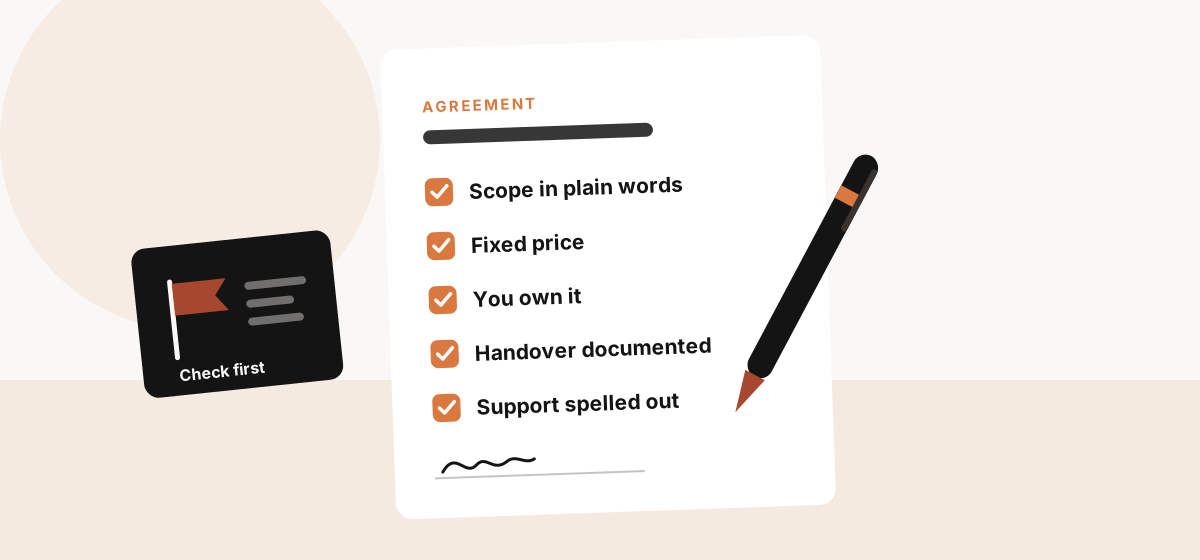
A good agreement for a small AI project is short. It should answer these plainly:
| Item | What to look for |
|---|---|
| Scope | What will exist when the work is done, in plain words (for example: new intake forms create a client record and send a welcome email) |
| Price | A fixed price, or an estimate with a cap |
| Ownership | Everything runs in your accounts and belongs to you |
| Handover | Written documentation and a walkthrough with whoever will use it |
| Support | What’s included after launch, for how long, and what costs extra |
If a consultant resists putting any of this in writing, treat it as an answer.
How to compare quotes
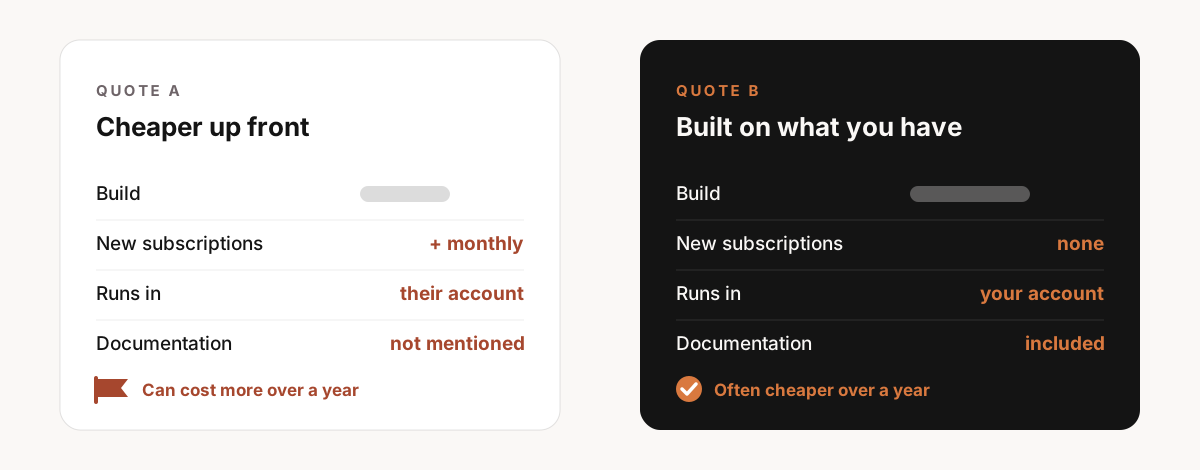
Two quotes for the same project can look very different. Price alone won’t tell you much. Line them up on these instead:
Questions worth asking in person
Beyond the paperwork, a short conversation tells you a lot. Ask them to describe a project for a business about your size, what went wrong on it, and how they handled it. Someone with real experience will have a specific answer. You’ll also learn quickly whether they explain things in plain language, which matters, because you’ll be the one living with the result.
How I handle it
My agreements follow the table above: a written scope, a fixed price agreed before work starts, everything in your accounts, and documentation at handover. The first 15-minute call is free, a written blueprint is $249 flat, and most fixes start at $495. If you’re comparing options, the top AI consulting firms, and what small businesses can use instead is a useful companion to this post.
Quick answers
What should I look for when I hire an AI consultant?
A clear scope, a fixed price, work that runs in your own accounts, written documentation at handover, and a plan for what happens if something breaks.
What are red flags when hiring AI consultants?
Vague deliverables, open-ended hourly billing with no cap, tools that only run in the consultant’s account, and a recommendation made before they’ve seen how you work.
How do I compare quotes from AI consultants?
Compare what each quote delivers, who owns it, and what ongoing costs come with it. The cheapest quote can cost more if it adds subscriptions or leaves you dependent on the consultant.